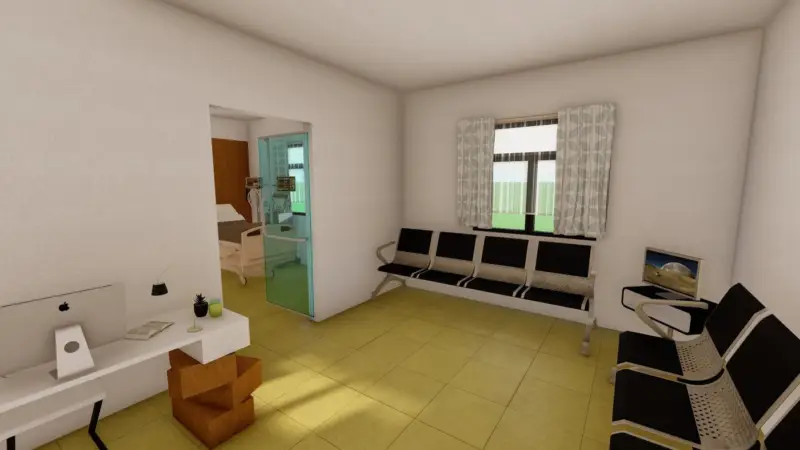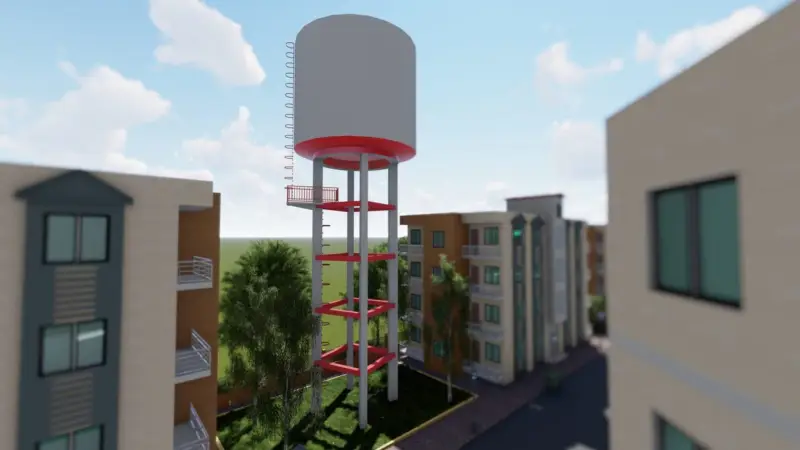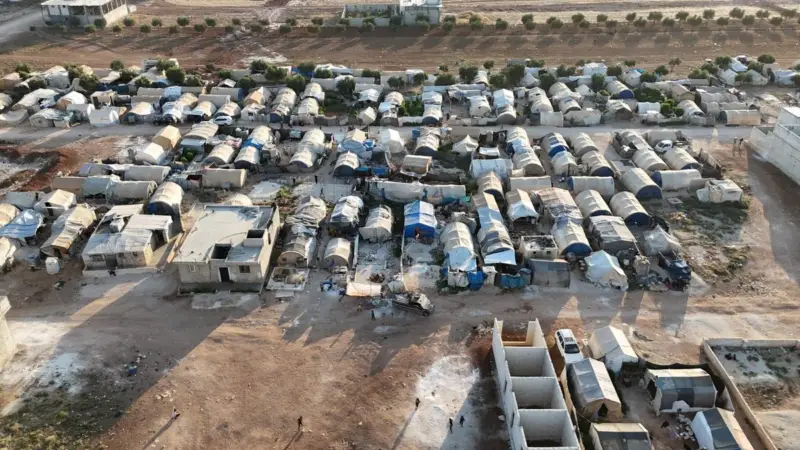

Founded in 2014 in the centre of the Qah area of Idlib, the Amal Widows’ Camp has become a symbol of hope and solidarity in a region that has seen the most devastating face of war. In the area hardest hit by displacement, the camp offers a model place to live, with modern infrastructure and a range of facilities.
The Camp and Its Facilities
Even in the toughest conditions of the war, the Amal Widows’ Camp has managed to offer complete safety and a good quality of life. Built on an area of around 10 dunams, the camp is a living community whose infrastructure and buildings have been fully completed.
Buildings and Facilities
- Modern Housing and Living Quarters: Modern buildings give residents clean, well-kept living spaces.
- The Most Beautiful Mosque in the Area (Igra Mosque): A spiritual centre serving everyone in the area. As well as regular prayers, the mosque provides ongoing spiritual support for women and orphans, and offers religious classes and Qur’an memorisation courses.
- Indoor Sports Hall: Used for sport, with modern equipment.
- Outdoor Football Pitch: Helps young people stay physically active.
- Power Plant and Water Well: Meet the camp’s energy and water needs and improve quality of life.
Social and Educational Opportunities
- Training Courses for Women: Support residents’ professional and personal development.
- Handicraft and Art Workshops: Skills-building activities for women and young people.
- Courses for Children and Young People: Educational workshops and courses designed to reduce the harmful effects of war.
- Go-Kart Building Workshop: A creative space for developing technical skills.
Sports
- Football Team: Encourages young people to take part in sport.
- Judo Team: Supports physical and mental development.
Residents
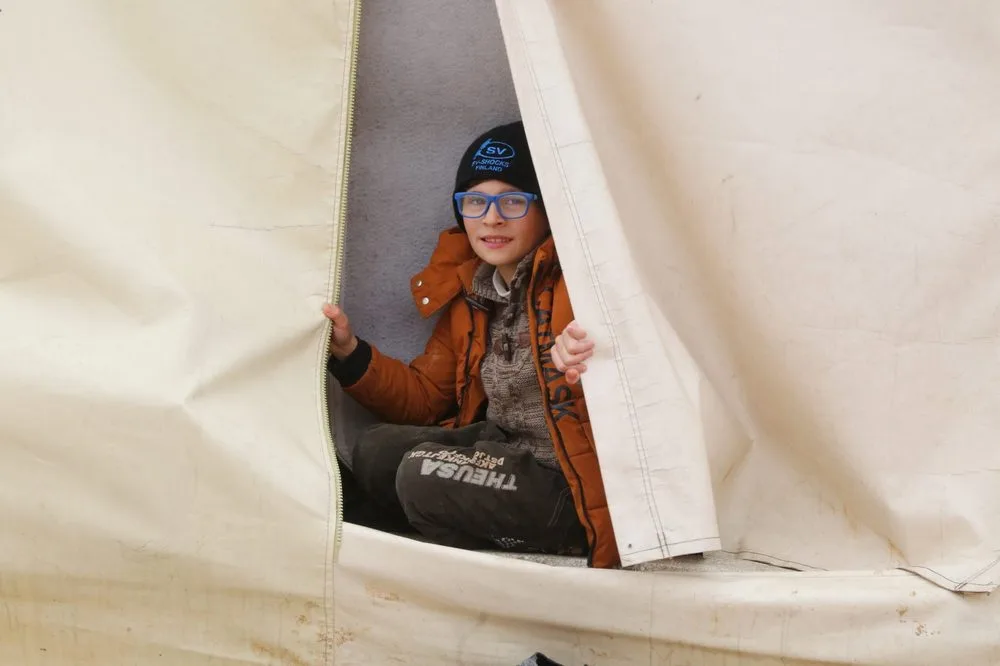
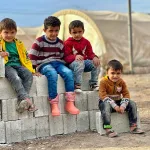
The Amal Widows’ Camp is home to around 50 widowed families and orphans. In total, about 300 people live in this safe, modern environment. Residents benefit not only from shelter but also from education, cultural activities and spiritual support.
Support and Solidarity
To help them recover from the devastation of war, residents receive regular material and moral support every month. Orphans and widows are offered educational, cultural and religious classes as well as psychological support. This support helps residents move on from the harm the war has done and take steps towards a more hopeful future.
Conclusion
The Amal Widows’ Camp is a model centre of solidarity and community life, working to ease the devastating effects of war and displacement. With its modern infrastructure and its educational and social facilities, it is much more than a shelter, continuing to offer a dignified life even in the hardest conditions of war. The camp carries on its work to build a more hopeful tomorrow.
Every month, we take on the needs of orphans and widowed mothers, and stay by their side for years.
Support this work